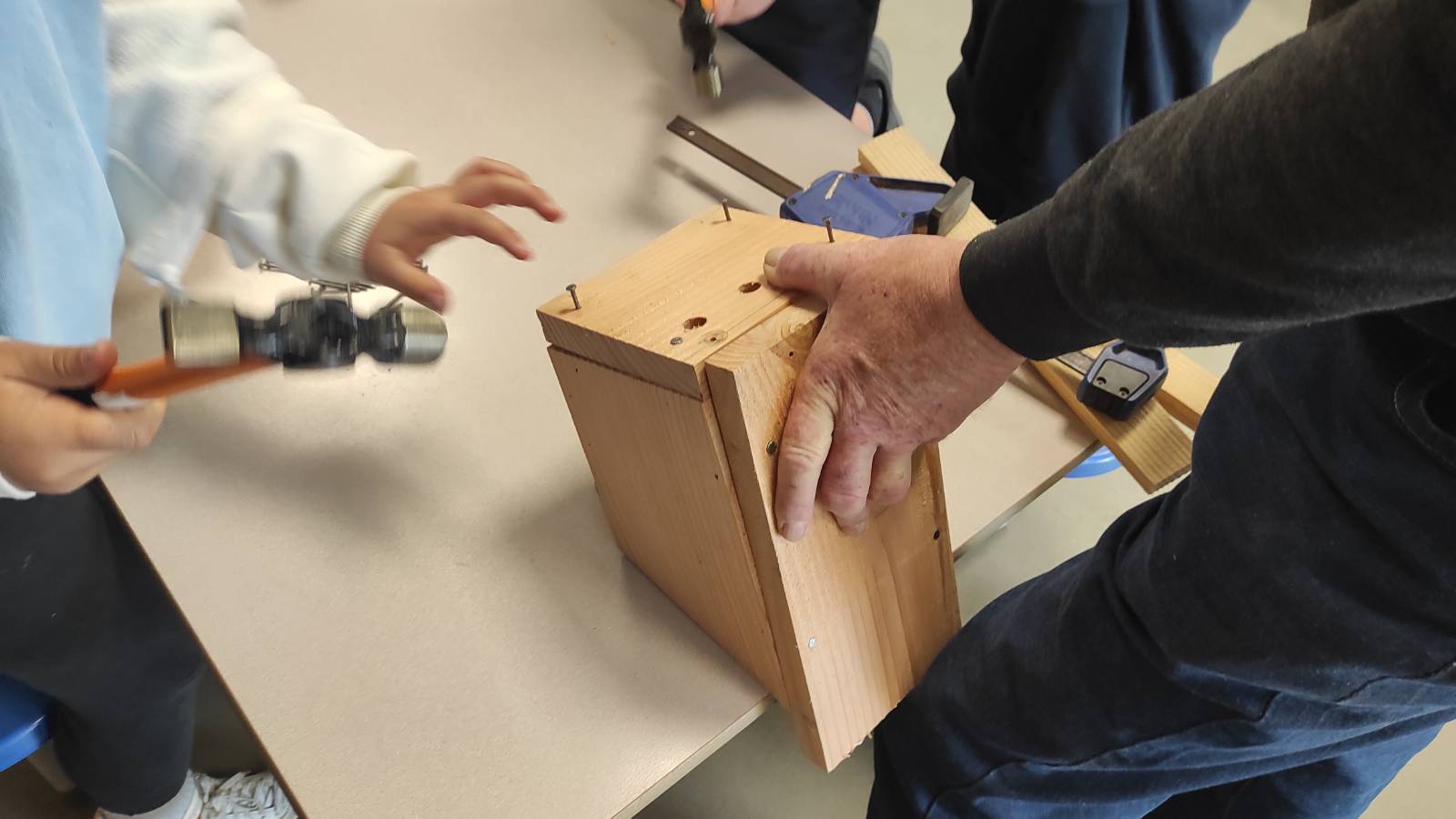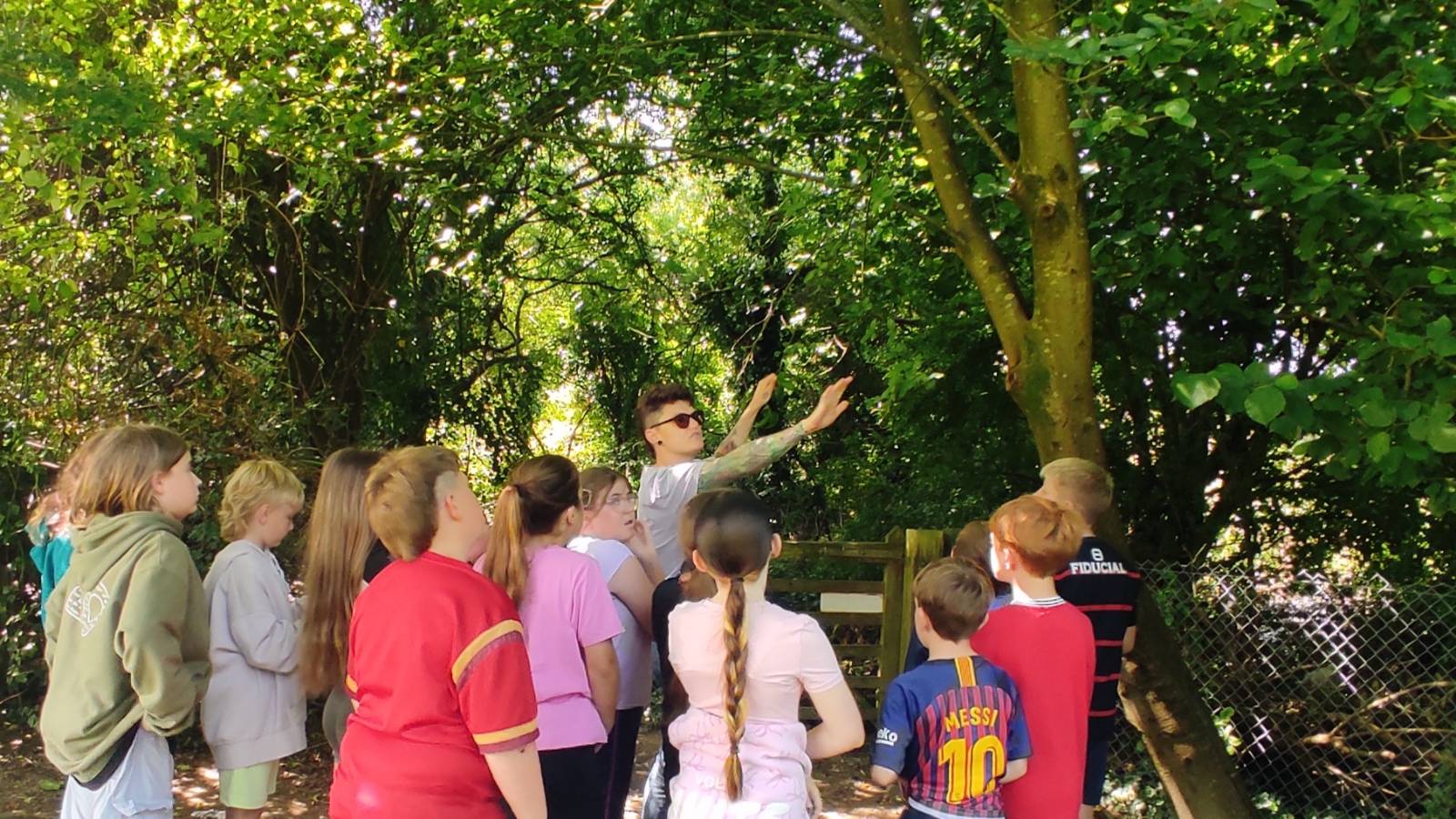
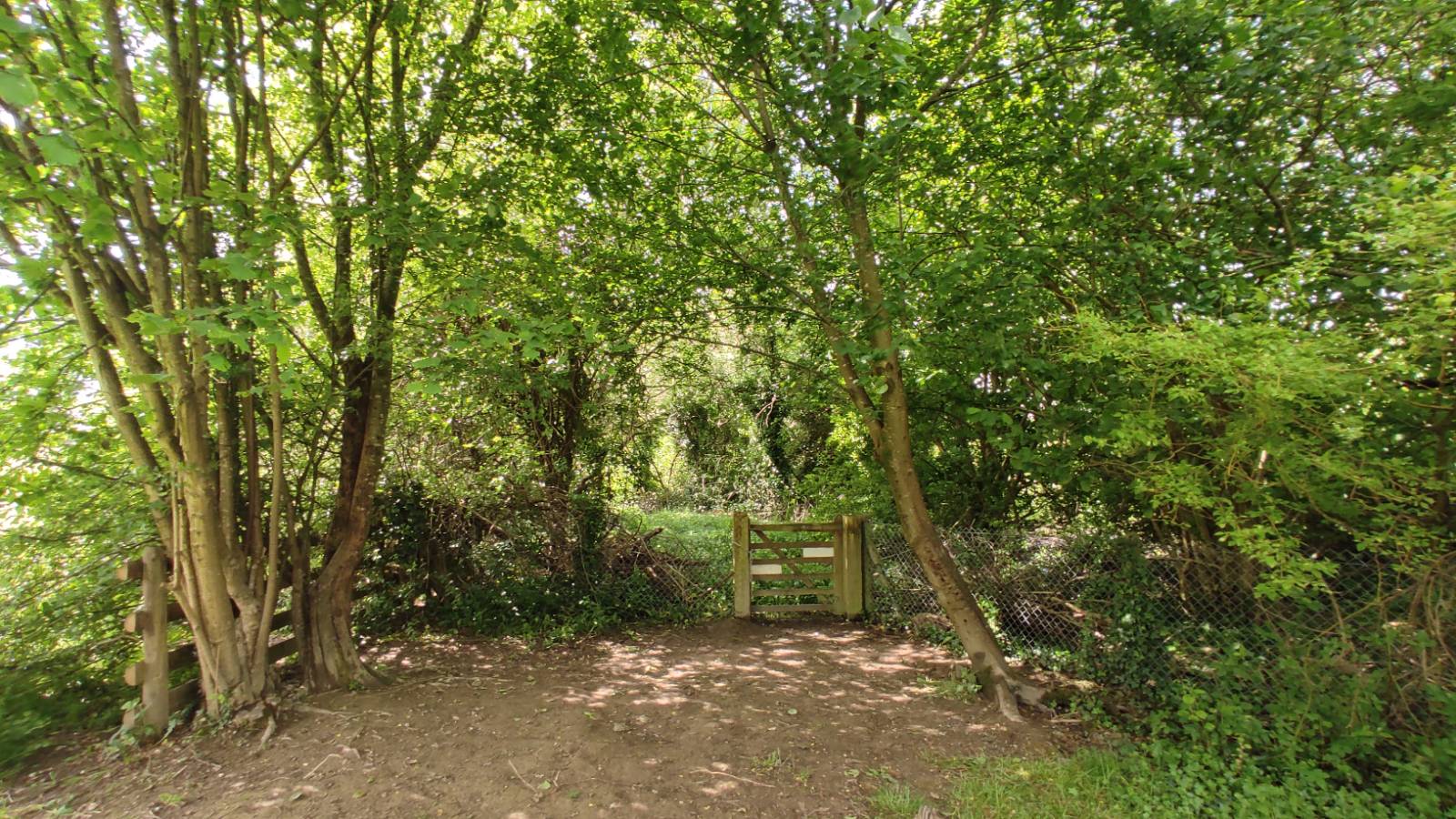
We ran a workshop with Harry Smalley from Cardished at Ysgol Llanilar, constructing kit nest boxes. We then walked around the school grounds and village pond, looking for potential sites.
Habitat overview
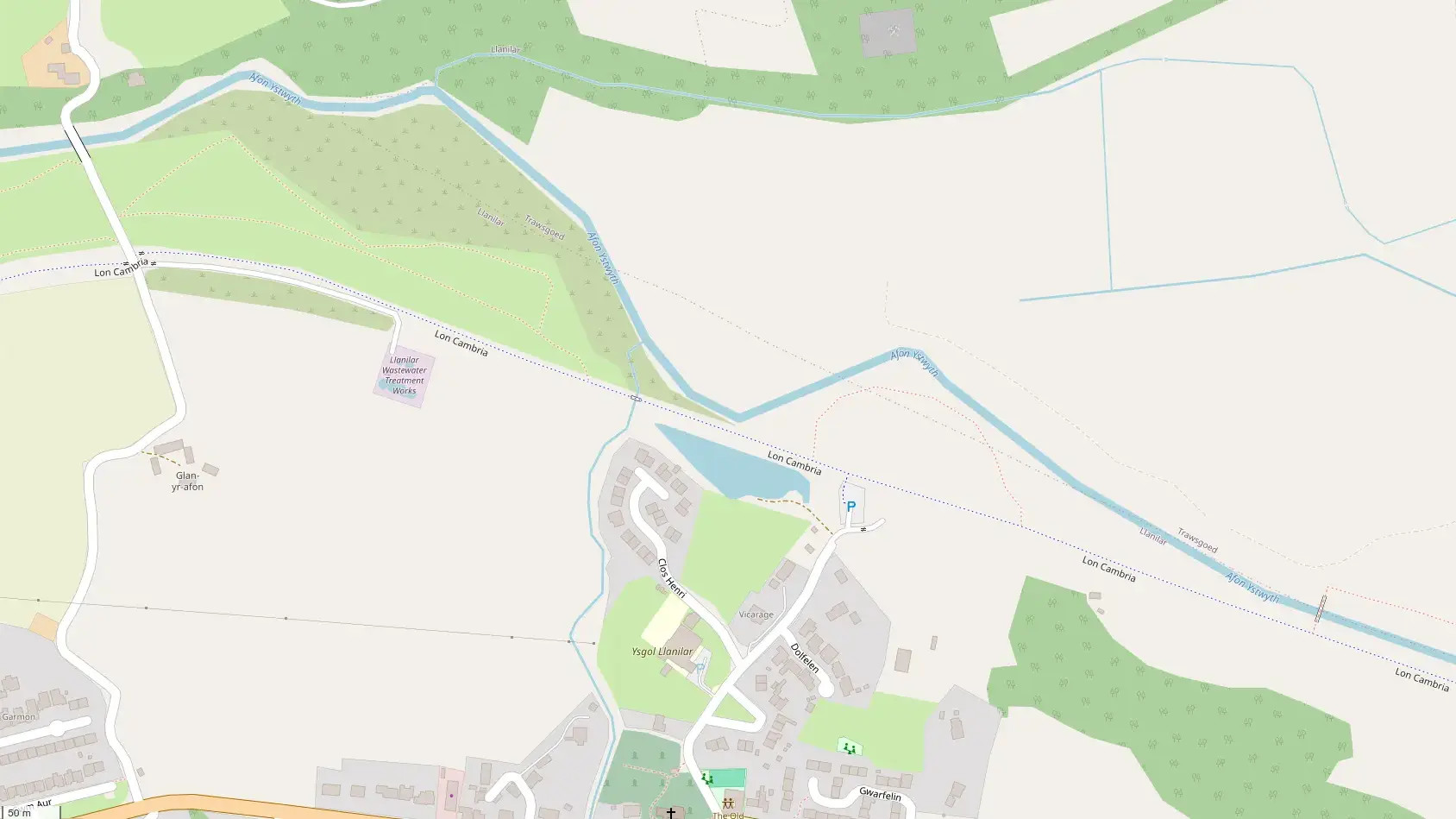 Mosaic of habitat – pond, river, streams, woodland, marsh, grassland, hedges, gardens, houses, buildings…
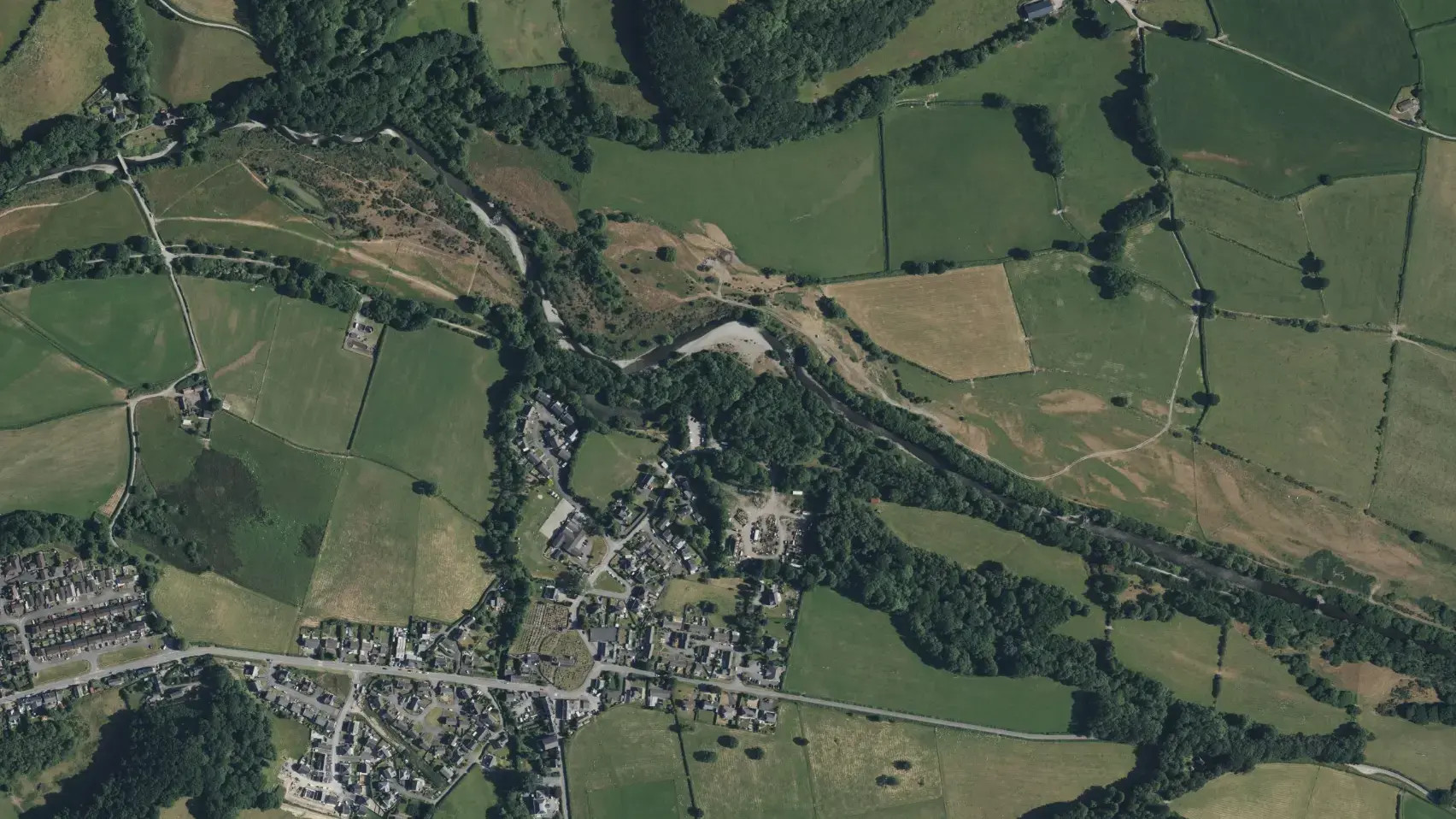 Different habitats from satellite photo
Siting habitat
Bat boxes
- Where bats are known to feed and navigate (close to hedges and tree lines);
- Ideally at least 4m above the ground (where safe installation is possible);
- Away from artificial light sources (to protect them from predation);
- Sheltered from strong winds; and
- Exposed to the sun for part of the day (usually south, south-east or south-west).
- North Ceredigion Bat Group northceredigionbatgroup@gmail.com & facebook.com/groups/northceredigionbatgroup
Nest boxes
- Not too close to another nest box
- Front angled vertically or slightly downwards to stop rain entering. Sheltered from prevailing wind, rain and strong sunlight (NE-ish).
- About 3m height, clear flight path with no foliage
- Open-fronted nest boxes hidden from view, with foliage (shrubs & creepers).
- Inaccesible to predators (cats & squirrels).
- Metal plate around hole to deter squirrels.
- Away from bird feeders.
- Galvanized or stainless steel screws or nails, or galvanised wire to tie box to trunk or hang from branch. Check fittings regularly.
Bee hotel
- Sunny wall, sheltered from rain
Species
Oak tree species
These are the bird species that artist Pip Lewis is working with at Ysgol Gynradd Aberteifi.
| Species | English name | Welsh name |
|---|---|---|
| Phoenicurus phoenicurus | Redstart | Tingoch |
| Ficedula hypoleuca | Pied Flycatcher | Gwybedog Brith |
| Corvus frugilegus | Rook | Ydfan |
| Parus major | Great Tit | Titw Mawr |
| Cyanistes caeruleus | Blue Tit | Titw Tomos Las |
| Anthus trivialis | Tree Pipit | Corhedydd Y Coed |
| Phylloscopus sibilatrix | Wood Warbler | Telor Y Coed |
| Columba palumbus | Wood Pigeon | Colomen Y Goedwig |
| Sturnus vulgaris | Starling | Drudwy |
| Athene noctua | Little Owl | Tylluan Fach |
| Garrulus glandarius | Jay | Sgrech Y Coed |
| Erithacus rubecula | Robin | Robin Goch |
| Dendrocopos major | Great Spotted Woodpecker | Cnocell Fraith Fwyaf |
| Coccothraustes coccothraustes | Hawfinch | Gylfrinbraff |
| Sitta europaea | Nuthatch | Delor Y Cnau |
Bird species & nest box sizes
Small hole-fronted nest boxes
- Blue Tit
- Coal Tit
- Great Tit
- House Sparrow
- Marsh Tit
- Nuthatch
- Pied Flycatcher
- Redstart
- Tree Sparrow
- Willow Tit
Medium nest boxes with oval-shaped holes
- Swift
Large hole-fronted nest boxes
- Great Spotted Woodpecker
- Little Owl
- Starling
Very large nest boxes
- Barn Owl
- Jackdaw
- Kestrel
- Stock Dove
- Tawny Owl
Open-fronted nest boxes
- Pied/White Wagtail
- Robin
- Spotted Flycatcher